Jeddah’s mobility conversation has shifted from incremental fixes to a full reboot. The city’s emerging blueprint sits inside Saudi Arabia’s Vision 2030 push for sustainable urban transport, a national program launched in 2016 that frames mobility as an environmental, economic, and social priority. At the national level, one industry overview says more than SAR 38 billion (≈ $10.1 billion USD) has already been invested in transport infrastructure, with the urban mobility market projected to exceed $25 billion USD by 2030. For Jeddah, the practical test is whether major rail and bus projects can be restarted, integrated, and made usable for daily trips as well as visitor demand.
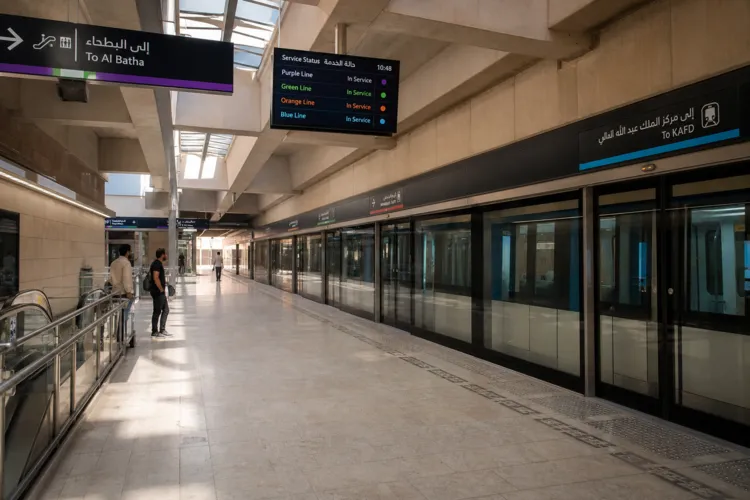
At the center of the Jeddah public transport metro plan is a four-line rapid transit network described as totaling 161.1 kilometers, with 81 stations and a fleet of 197 trains. International Railway Journal reports that Jeddah Development Authority issued a preliminary design consultancy tender for the 35 km Blue Line, reviving plans that stalled around a decade ago. The Blue Line is described as having 18 stations and serving King Abdulaziz International Airport as well as the Haramain High-Speed Railway station. In the wider program context, the Jeddah Public Transport Programme published in 2013–14 calls for four metro lines, a four-line light rail network, and a commuter line.
How BRT and Rail Fit Into an Integrated Network
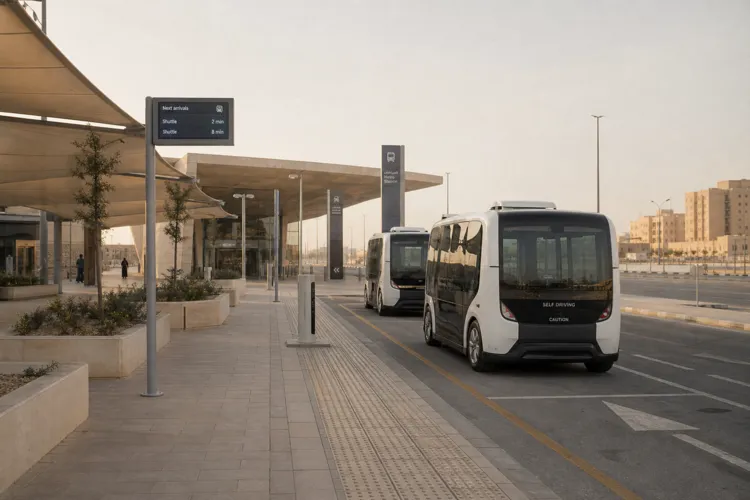
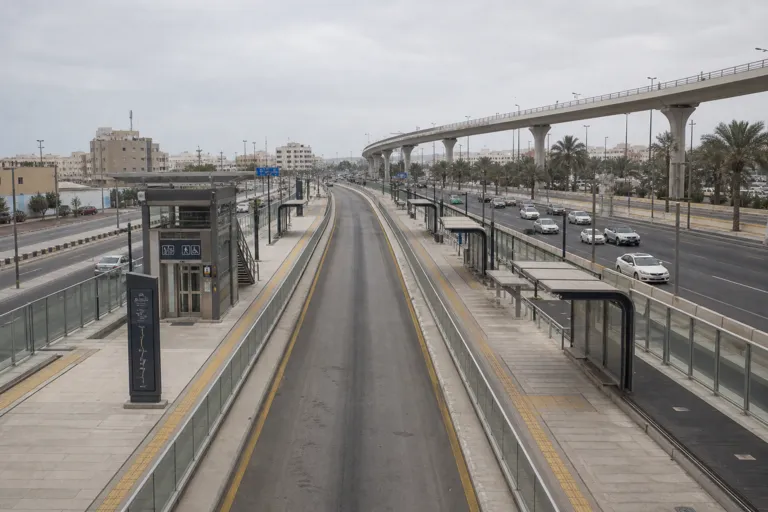
Bus Rapid Transit is being positioned across Saudi Arabia as a practical way to extend high-capacity service without waiting for every rail segment to be delivered. UITP notes that in Saudi Arabia, BRT is being coordinated with major infrastructure investments: Riyadh has put in place a BRT system that complements its six-line metro project, while Jeddah and other cities such as Dammam and Madinah are exploring BRT corridors to extend high-capacity service to underserved areas. UITP also frames BRT as a flexible alternative that can deliver high-capacity, reliable service at a fraction of the cost compared with metro or light rail systems, while supporting multimodal planning.
Integration matters because Jeddah’s metro is repeatedly described as a core network, not a standalone line. One project description says stations are designed with accessible elements such as vehicular drop-offs, shaded walkways, and pedestrian bridges, intended to link with buses, the Haramain High-Speed Rail, and other modes under the Jeddah Public Transport Program. The same description ties the metro’s purpose to reducing reliance on private vehicles and increasing public transport usage from a stated current 1–2% to 30% of commuters. The restart narrative is also explicit about time: the project’s early-2010s origins faced delays, and as of 2025, construction is described as ongoing following significant delays.
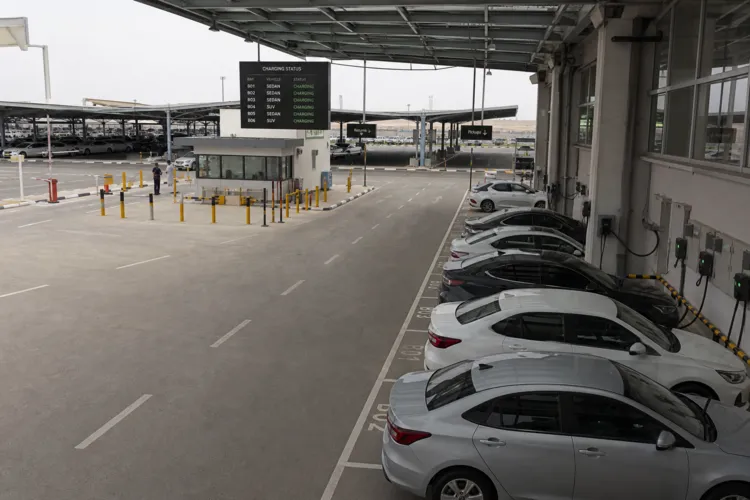
Jeddah’s coastal corridors add a separate, street-level mobility layer that sits alongside rail and BRT planning. While the sources do not provide Corniche-specific route lengths or station counts, the same integration logic applies: connect high-demand destinations with reliable trunk services, then make transfers easier using consistent station design and smart operations. Nationally, one Vision 2030-focused overview sets an ambition to cut urban transport-related emissions by 50% by 2030, and it highlights initiatives such as electric bus fleets, rapid charging infrastructure, and smart mobility hubs that integrate ride-sharing and micro-mobility. For Jeddah, the credibility of the reboot will depend on turning these program-level ideas into day-to-day connectivity around the city’s main trip generators.
What is the Jeddah public transport metro plan aiming to build?
What is happening with the Jeddah Metro Blue Line right now?
Is Jeddah pursuing BRT as well as metro rail?
How does the metro connect to other transport modes in Jeddah?
What ridership shift is the metro intended to support in Jeddah?