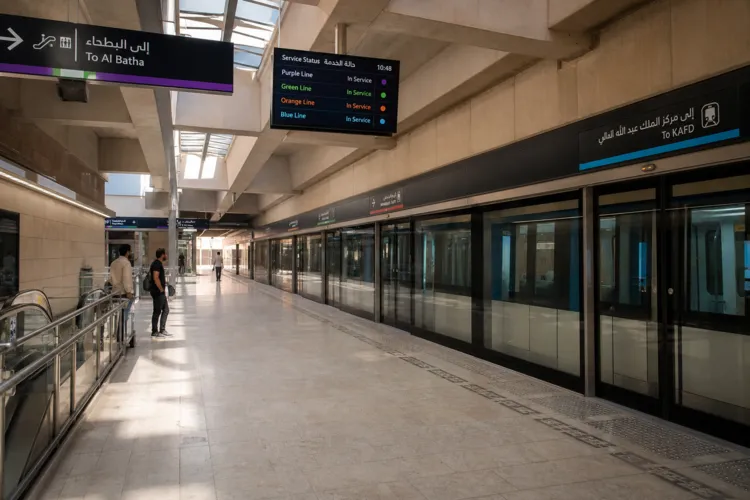
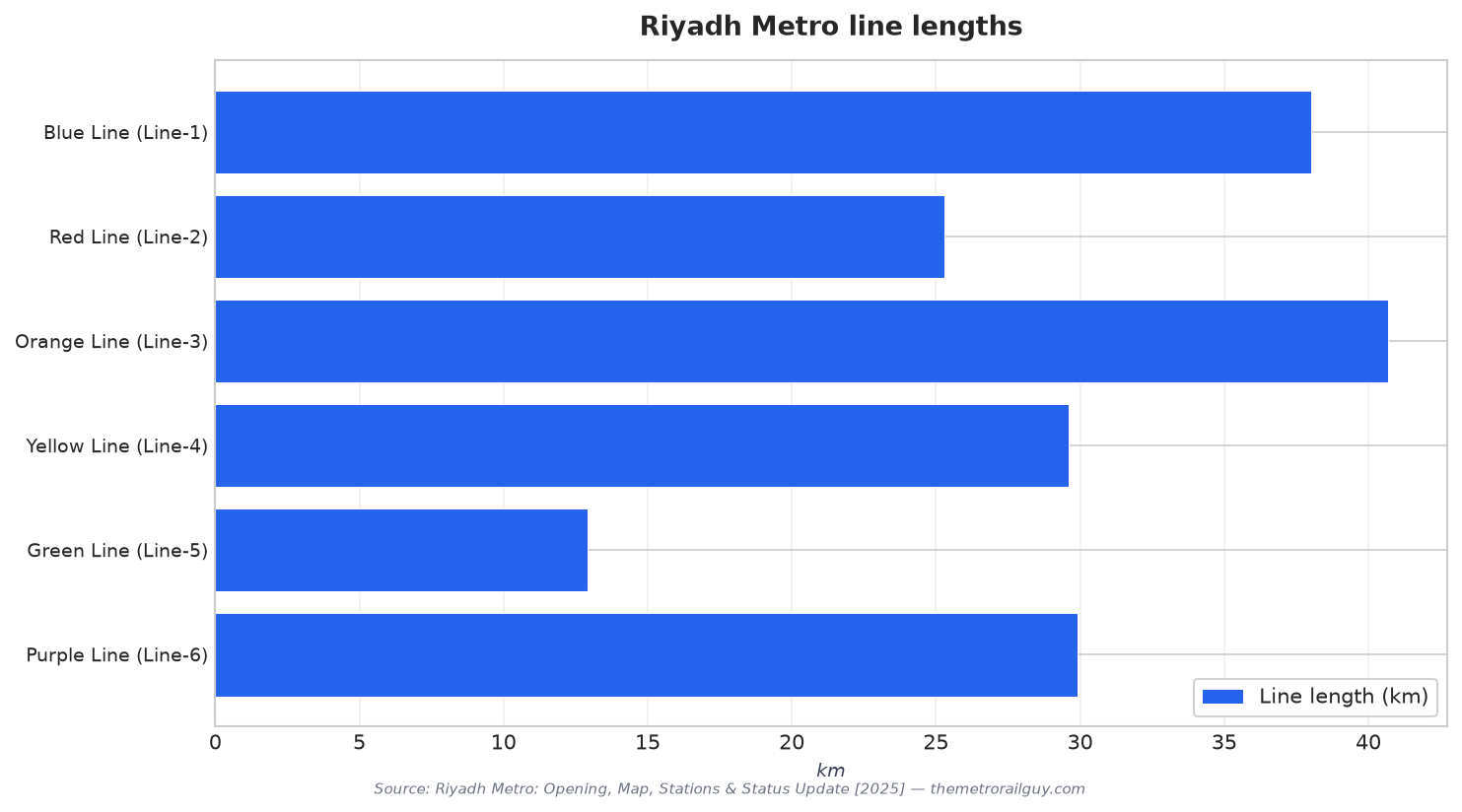
Open-loop ticketing and account-based fare systems are often discussed as the next step in modern transit. In Riyadh, the conversation matters because the metro is designed to work as the backbone of a wider public transport network under the King Abdulaziz Project for Riyadh Public Transport. Sources describe Riyadh Metro as a 176 km mass rapid transit system with 6 lines and 84 to 85 stations planned, owned and operated by the Royal Commission for Riyadh City (RCRC). One guide also explains that the metro integrates directly with Riyadh’s public bus network through the Darb ticketing system, so one pass can work across modes without a separate fare each time you board.
To understand why open-loop thinking is relevant, it helps to define what riders experience, not just the technology. Riyadh’s system is presented as flat-fare and time-based rather than zone-based or distance-based. That design supports an account-style experience: you buy a time window, then you can take unlimited trips across the metro and bus network during that pass duration. Ticket options cited include SAR4 for two hours, SAR20 for a three-day pass, SAR40 for a seven-day pass, and SAR140 for a 30-day pass. A first-class pass on the Darb application is listed at SAR10 for two hours, SAR50 for three days, SAR100 for seven days, and SAR350 for 30 days.
Where Open-Loop and Account-Based Fare Ideas Fit in Riyadh
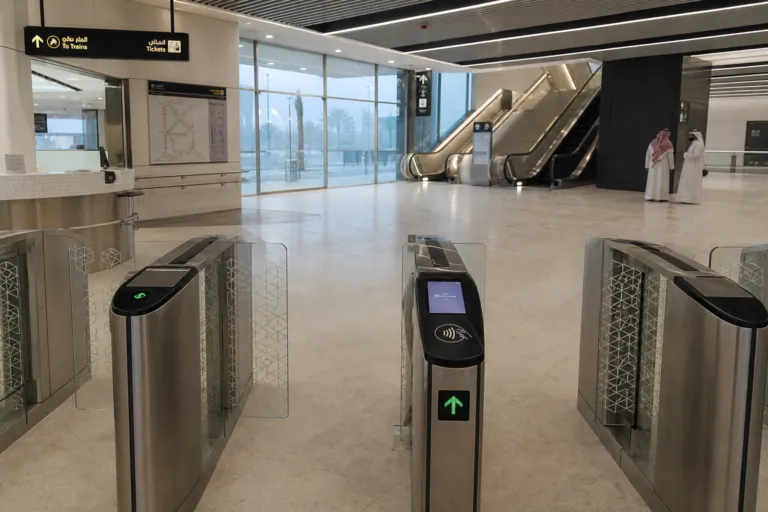
When people search for Riyadh Metro open-loop fare payment, they usually want to know if payments can be as seamless as tapping a card or phone and letting the back office handle the rest. One Riyadh Metro source notes that commuters can tap a smart card near the reader using near-field communication (NFC) technology, which aligns with the broader shift toward contactless acceptance described in global fare collection research. A fare management market report says the global fare management system market was valued at $14.8 billion in 2025 and is projected to reach $32.6 billion by 2034, with a 9.2% CAGR from 2026 to 2034. The same report says that in 2025 more than 57% of global transit agencies had deployed or were piloting next-generation electronic fare collection, a figure expected to surpass 80% by 2030.
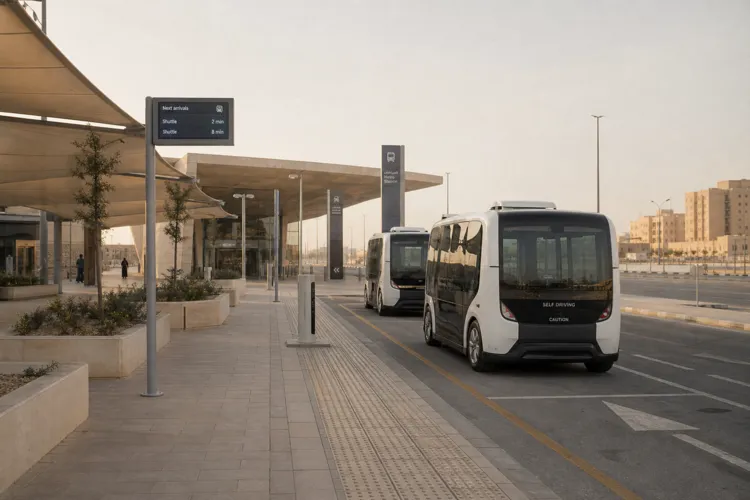
Integrated fare policy becomes more valuable when the network expands beyond rail. A Riyadh guide states the public bus network covers over 1,000 km of routes and that bus stops are located adjacent to most metro stations. It also says both systems use the same Darb ticketing platform and that the same Darb pass (app or physical card) works on metro and bus with no additional fare. This is the practical outcome of account-based design principles: one product, one rider relationship, and less need for separate tickets. It also supports simpler transfers at major interchange points, which other sources describe as hubs where lines intersect with the bus network, including Qasr Al-Hukm District, KAFD, Western Metro Station, and STC Metro Station.
From a delivery perspective, Riyadh Metro is framed as a mega project with an estimated cost of USD 22.5 billion, with construction starting in April 2014 and approval referenced as 2012 in another source. The first phase is described as opening in November 2024 and comprising 64 km across the Blue and Red lines, while broader descriptions continue to emphasize the full 176 km plan. Against that backdrop, modern fare platforms are positioned globally as more than validation tools, adding journey management, revenue reconciliation, and multi-modal interoperability. For Riyadh riders, the immediate, concrete benefit described in the sources is simpler access: time-based passes, a single Darb pass across metro and bus, and NFC tap-to-pay via smart card.
How does open-loop fare payment relate to Riyadh Metro ticketing?
Are Riyadh Metro fares zone-based or distance-based?
What ticket prices are listed for Riyadh Metro passes?
How does the Darb system support metro and bus integration in Riyadh?
What do global sources say about adoption of next-generation fare collection systems?